

outs for 2026
everything i'm complaining about going into the new year from cape town's st. sebastian

What started as a balanced list of my ins and outs for the year of our lord 2026 quickly devolved into a pathetic handful of ins and an absurdly thorough manifesto of outs.
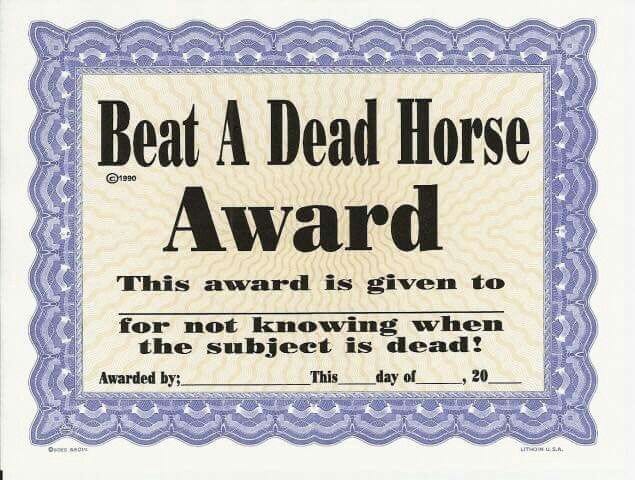
So please enjoy this comprehensive purge of grievances, reaches, and over-dramatic whining that I’m leaving behind in 2025 and definitely won’t be reheating in the new year. I’m lying, of course. I love beating a dead horse, and my friends will continue to hear about all of this ad nauseam.
Out: Performative Male Trope
I’m so sick of the culture’s misuse of the “performative male” term. Using it to describe an archetype of emotionally-aware feminine men who like… listen to Clairo and are literate. The joke is so stale and consistently misused by gen pop. When, in truth, the performative male is a lot more sinister and conniving, and the term should be reserved for actual evil men who wear femininity in service of baiting women into the bedroom—and not to weakly describe a man who has crackled pink Essence nail polish. In casual conversations whispering codenames over R70 glasses of rosé, I reserve the title of infamy for two Capetonian men. They both know who they are. Fanboy and Chum Chum are probably reading this very essay right now.
In the scribbled list of hand-written ins and outs seen in Lea Fourie’s journal, she stated that advertising agencies are so close to commercialising the term like they did with “girl dinner” and “girl math”. The problem with instances like these arises when terms with cultural significance and an actual definition get deflated into filler words used to fill silences, divorced from any semblance of context. Getting dragged so far through the mud that they become adjacent to vocal stims—like what happened to “slay”.

My friends and I joke that critical thinking is a dead language akin to latin, but in the age of AI slop and uber-convenience, this statement is bible. Open the schools. When you Google something, consider scrolling past the AI Overview and perhaps complete the trying task of finding a source with a byline.
Like an absurd retelling of Girl with a Pearl Earring, sapphic prophet Lucy Dacus proclaimed that the boy with the dangly earring is not the enemy. In her defense, she perceived their often threatening presence as potential allyship or a marker of personal gender expression. Not saying that every straight men with a blue Pina Jewel earring falling out their loose lobe hole is going to come out of the tunnel a trans girl, but perhaps letting go of fangirl interactions of fluffing their feathers and letting them experiment with feminine fashions may in fact be the key to greater acceptance. If the feat is true performance, the less airtime we give them for adopting feminine qualities, the quicker they will simply stop the mission altogether. And if these traits are in fact an integral part of their identity, they will continue to express them without needing a soapbox to do so.
Out: Fujoshi
Originally derived from the Japanese term for female fans of BL or yaoi-related media that feature romantic and often sexual relationships between male characters. Now, the term has been used to signify women who obsess over homoerotic narratives, whether fictional media or in real life. Basically, the girlies want to see boys kiss and touch and all that good stuff.
Evident in a large part of Call Me By Your Name’s cult following being comprised of women, or Heated Rivalry’s swarm of straight female fans begging the network to see more gay enemies-to-lovers sex as part of their HBO packages—these girls will be the ones who go to war, mark my words. You know the type. The ones who force their boyfriends to watch Challengers before soft-launching the idea that it’s okay for them to explore their sexuality with their homeboys.
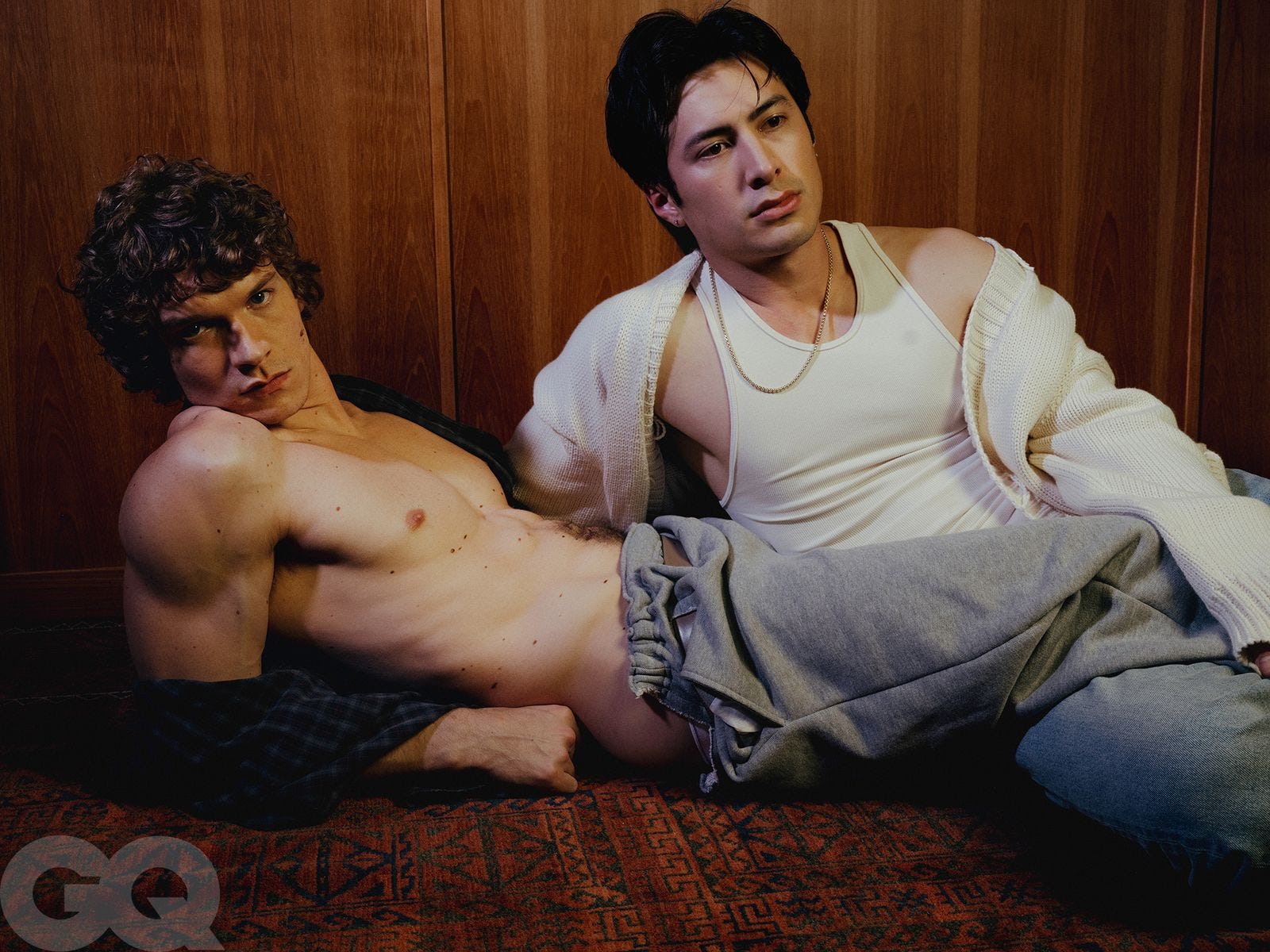
If I’m being the friend that’s too woke, this phenomenon has major undertones of fetishisation that’s cultivating a community that celebrates queer media that has left queer writers at the door, instead of in the room. HBO’s Heated Rivalry is clearly crafted to satisfy an out-of-touch, predominantly straight female audience. I will not entertain notions of this show being anywhere near good. When did we begin to greenlight homoerotic shows with zero substance, zero plot and horrid editing. We can have fantastical gay media that prioritises shocking on-screen sex as well as a thought-out plot and stellar screenwriting—which HBO has delivered many times before. As fun as the show’s premise is, I can’t sit pretty while the mob of straight women who have never consumed a second of queer media vocalise how Heated Rivalry is “incredible representation” that’s “pushing the movement forward”. It’s not. It’s aesthetic prompts for their spank banks and AO3 portfolios.
But, to play devil’s advocate, we have enough abysmally cringe and emotionally-devoid hetero TV shows creeping out of writers’ rooms, so perhaps a bit of doucheless, fantastical gay media can exist among their counterparts with substance—cough cough, I Love LA, cough cough.
Out: 2016 Revival
As much as I revel in the all-too-recent nostalgia for the era, we will never access a true revival of 2016. Not because our collective state of mind or fashion sense has changed, but because the way social media operates is the antithesis of it’s decade-prior counterpart. The ritual of “nonchalant Instagram shitposting” with Valencia-washed beach landscapes fit with moment-centric captions and an array of hyper-specific hashtags no one else had used yet was not just the standard of social media at the time, but it was the way the app was designed. 2016 was the last year of chronological Instagram feeds, before it was switched for a ranked, algorithm-based feed we are all unfortunately familiar with today.
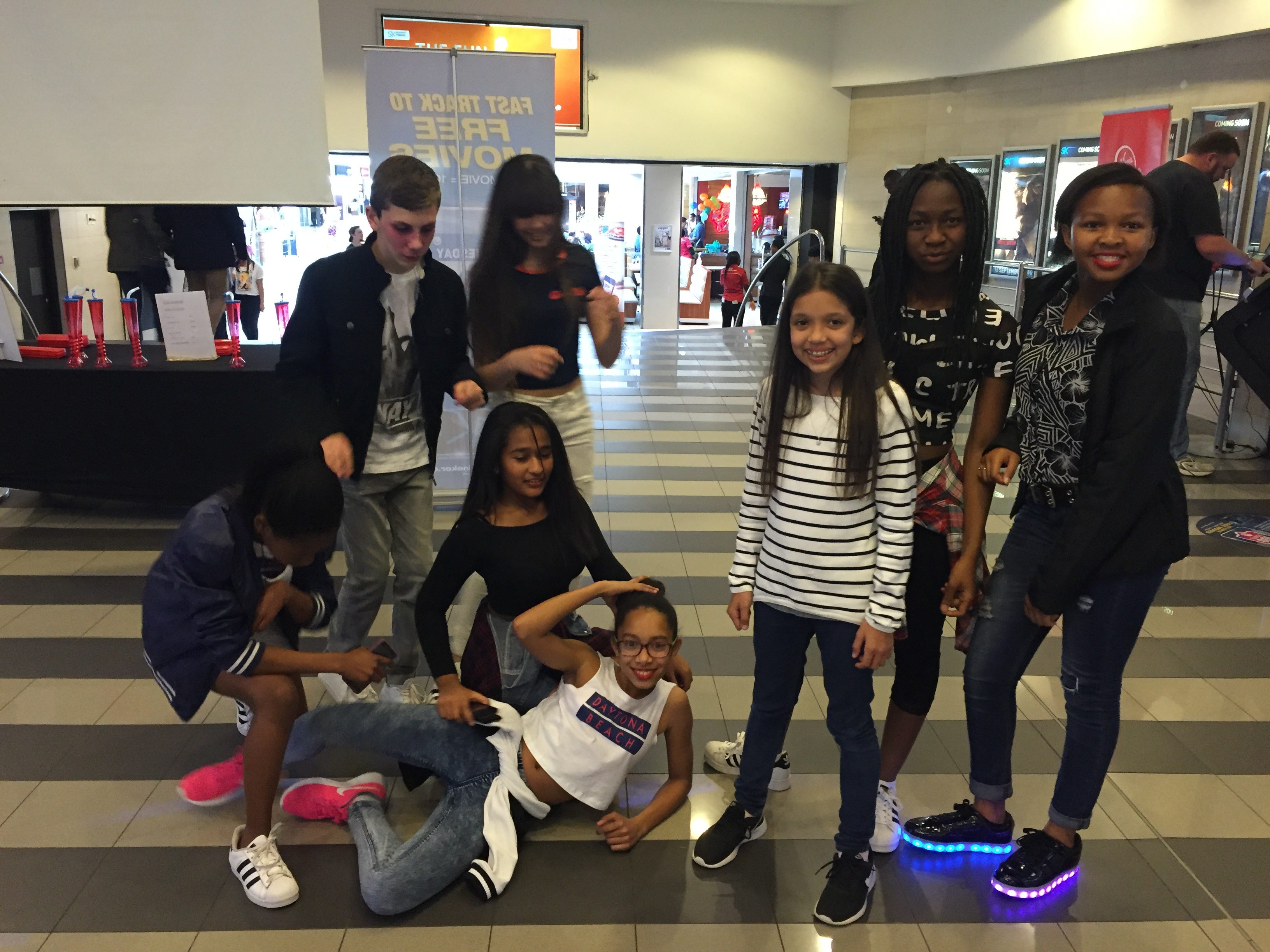
I frequently get lost in the bridge of Ariana Grande’s Touch It, reimagining my 13-year-old self lip-syncing into the hazy view of his iPhone 5’s flower crown Snapchat camera filter, his golden bleach-blonde highlights glistening in the suburban sunlight while the melanated vocals of everyone’s favourite Italian ponytail belted through the rattle of his red JBL GO2.
It was nothing short of a cosmic alignment getting to live through Loren Gray’s Musical.ly reign, marble-washed and galaxy print skinny jeggings, elastic chokers, Beyoncé’s Lemonade, green-parka-jacket gate, and dodging traffic playing Pokémon GO.
Though they were simpler times, I’m comfortably aware we will never recreate the “vibe at the time”—as Kendall Jenner would put it. And I’m glad we don’t have to. I love ordering wine on Uber Eats, listening to Ethel Cain rank different corn types, and arguing with the gay people in Pop Base comment sections.
To clarify, the reason I’ve listed this as one of my outs for 2026 is not because of my lack of fondness for the era, but because I can no longer tolerate watching those born after 2006 bastardize and misrepresent the ancient texts of the mid-2010s. I pray to rid my eyes of seeing recreations of Tumblr iconography mislabelled with #2016 in the caption.
Everyone and their mother is yapping about how 2026 is the new 2016. But until I see y’all wear an olive parka jacket, Adidas Superstars, black skinny jeans, and a plain white Topshop t-shirt, I don’t want to hear a peep. The children of today are trying to rewrite our ancient texts, and we need to remind them that our culture is not their costume. You better dig in that expired makeup bag and pull out that Anastasia Beverly Hills Dipbrow, because we have a duty to preach the gospel. – from one of my Instagram story rants on the matter
Do not conflate 2016 canon with muddled anemoia because you’re missing veteran status. You can’t reclaim what you didn’t live through. If Drake’s One Dance, Rihanna’s Work, and Closer by The Chainsmokers feat. Halsey were not blared across your car radio tuned into 94.5 KFM—pick a different era to appropriate.

Out: Clean Girl Aesthetic
The clean girl aesthetic advertises understated beauty with effortless makeup, sleek hair, and an ocean of hyper-specific labelling of neutral tones with names like “eggshell” and “buttercream” to inject some semblance of interest into the cause. When in reality, achieving the look requires luxury skincare, consistent salon missions, and the small price of already having the perfect canvas. So simple.
Long live the days of Anastasia Beverly Hills Dipbrow, colourful cut-crease eyeshadow, and bright blue Skylie lip kits, you are sorely missed. We’ve swapped rainbow palettes wrapped in exciting packaging and shade names with sexual innuendos for a sea of uninterrupted beige.
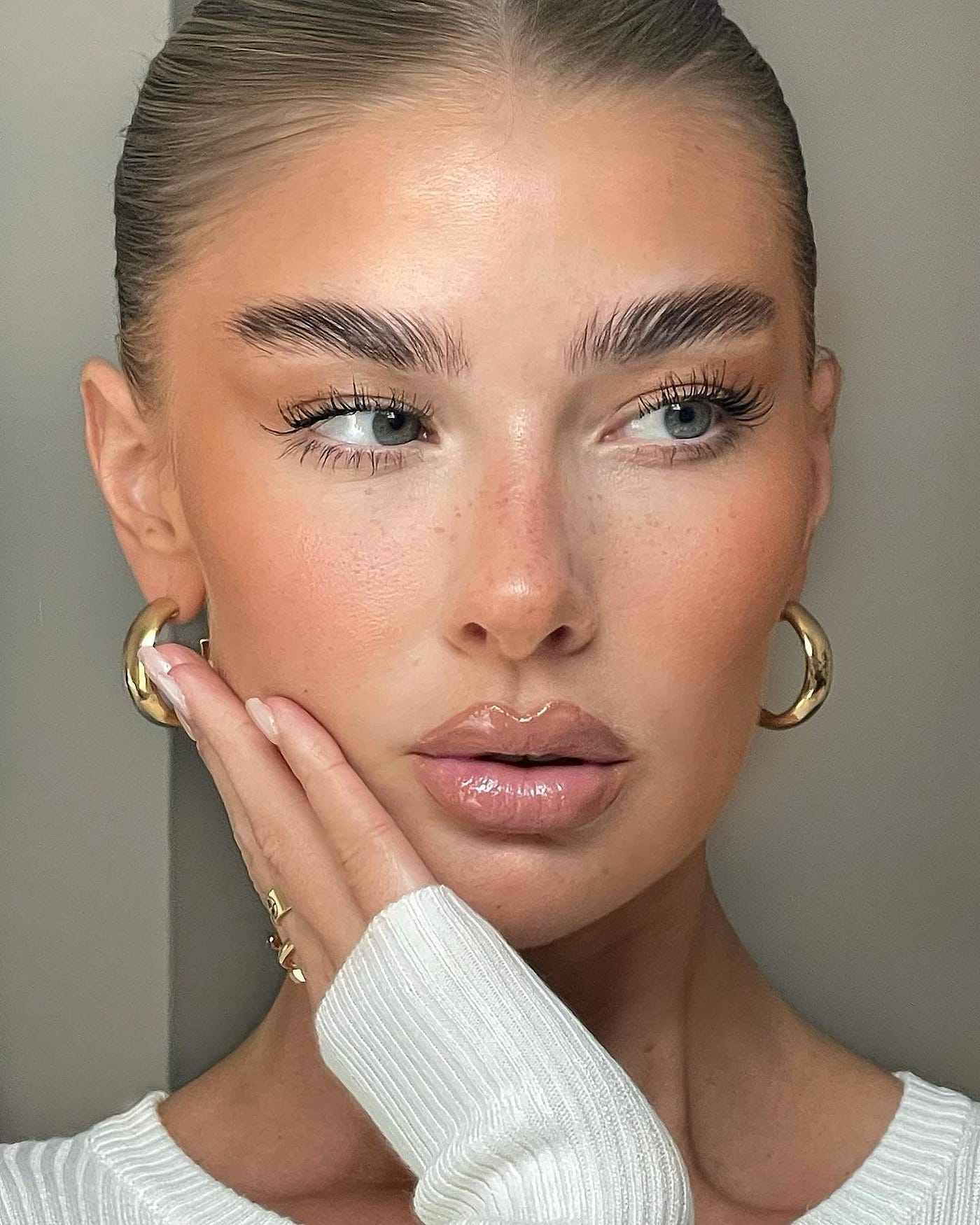
There is also an entire conversation that has not hit the pentagon of the aesthetic. The initial implications find a large centering of skinny, young, wealthy, white, able-bodied women, with little space for those with acne, hyperpigmentation, skin texture, or any other uncontrollable traits left out of the narrow box.


The most insidious aspect of the clean girl aesthetic lies not in the look itself, but in who gets celebrated for it—and who has historically been punished for the exact same characteristics. This aesthetic has been intrinsic to black and brown beauty culture for generations, dating back decades before it ever graced a Pinterest board. Yet when white, thin, conventionally attractive women like Hailey Bieber adopted slicked-back buns, gold hoops, and dewy minimalist makeup, a cascade of glowing magazine features crown them as pioneers of effortless chic.
This rebranding reveals a deeper problem of the same elements now marketed as aspirational sophistication—sleek, oil-smoothed hair; fuller, natural brows; dewy, bronzed skin—were historically weaponized against women of color. Black girls were sent home from school for “unkempt” hair when they wore their natural texture slicked into protective styles. Indian women were mocked for looking “greasy” when they used the very hair oils and skin care now sold as luxury wellness products for the total elite.
Out: AI-Algorithm Curation
Spotify has become a parody of stringing utter nonsense together in service of some ultra-niche micro-aesthetic deluding users into thinking their listening habits are unique. You’re not seriously telling me that your “pink pilates princess Benson Boone Dubai chocolate solo-poly labubu Sunday morning daylist” sets the tone for the most intentional day of the week. That’s why I’m taking a major step back from using platforms of this nature to inform my taste. From this point on, I’m making a deliberate effort to take steps ensuring my first point of interacting with media to be as physical as late-stage capitalism allows.
Praying this doesn’t move into micro-trend territory that becomes the catalyst for the gentrification of even more second-hand stock (dramatic, but it happens), but I love physical media. I’m so excited to see everyone getting back in touch, loading music onto old iPods, junk journals, and collage art. Hell, instead of doomscrolling Pinterest, my 2026 vision board was made from pages ripped out of vintage Vogue magazines I haggled the second-hand bookstore for.
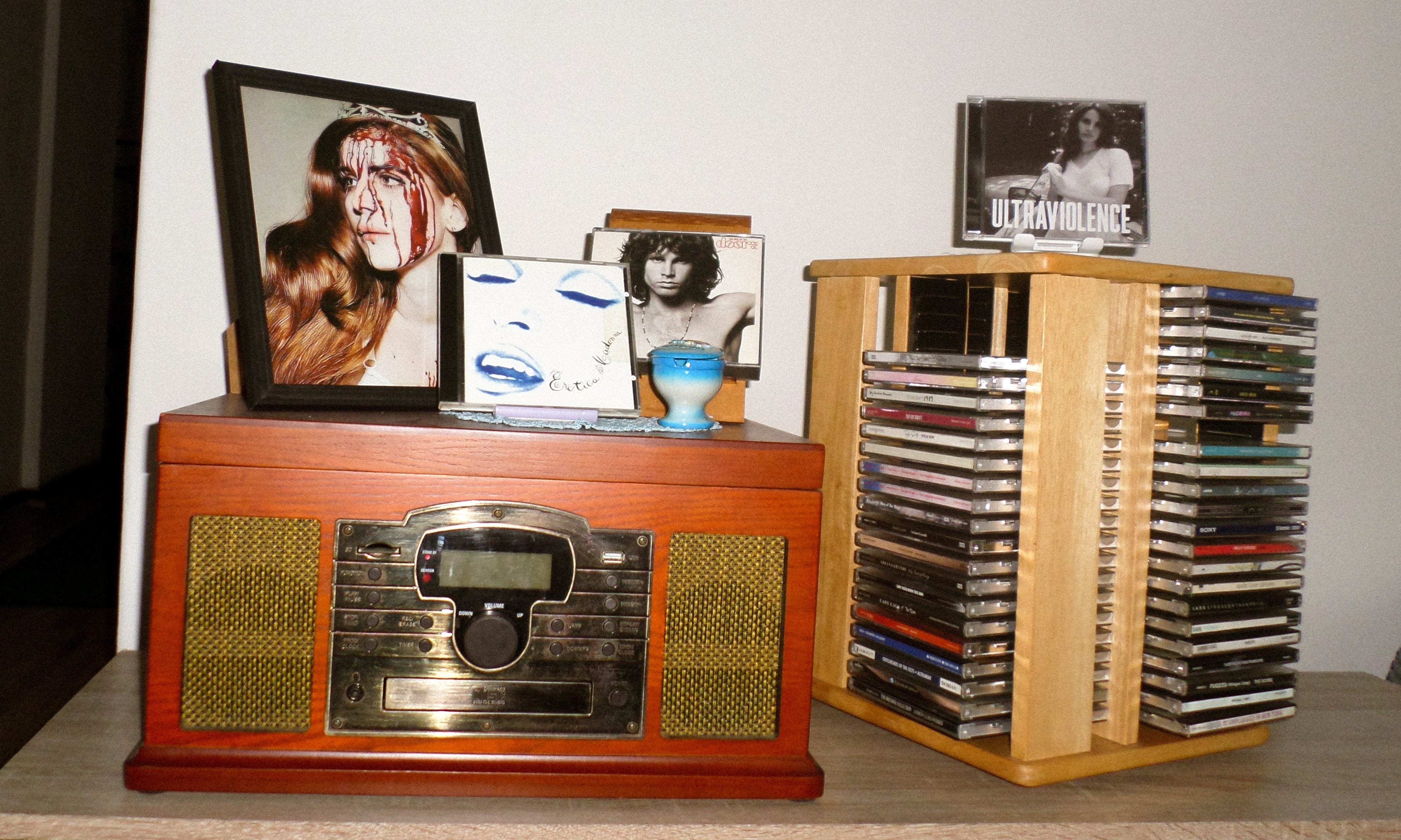
For a few years, I’ve been collecting my favourite albums on CD from dusty crates at the back of thrift stores. The serotonin I was blessed with after finding Katy Perry’s One of the Boys and Sade’s Love Deluxe for R20 is unmatched. Sometimes I’ll purchase the bargain bin mixtapes, thinking I’m giving the miscellaneous Best House Remixes of ‘96 a second life like they’re toys from the Toy Story cinematic universe. Most of them end up being Eurotrash from bands dismembered before I was born—but my roommate and I love our favourite game of mixtape roulette inserting these random disks into my boombox to uncover the oddest sounds.
Through warehouse party smoke clouds, I’m asking the DJ for the track ID, I’m having no shame inquiring the correct pronunciation of genres I’ve yet to dive into, I’m blindly going into the cinema without dissecting every touchpoint of a film’s PR campaign, and I’m pressing play on that film with the oddest car-related premise that my Hinge date or straight male friends swear was the film that saved their life. All to reheat the joy of experiencing things without this polluted cloud of popular public online opinion.
Out: Music Snobs
I know we joke about the type of people who genuinely enjoy music in the realm of Ed Sheeran, Imagine Dragons, and Meghan Trainor, denoting a sub-par level of taste that leaves many of us music nerds feeling superior to our “less-than” brothers and sisters. Though there is something to be said for understanding the lyrics, production and world-building of an artist’s discography on an insanely deep level, there is no harm in letting gen pop enjoy artists we deem basic, or second-class to our top 5.
Judging music taste is so beyond out. At a time in my younger brother’s life, he would have swore Juice WRLD saved his life. Shame, he’s grown since then, becoming more of a The Marías and The Kooks type of fella, along with appropriating my dad’s incredible music taste and repackaging himself as an OG—when he was listening to these records toothless, and in diapers. But the sentiment remains the same.
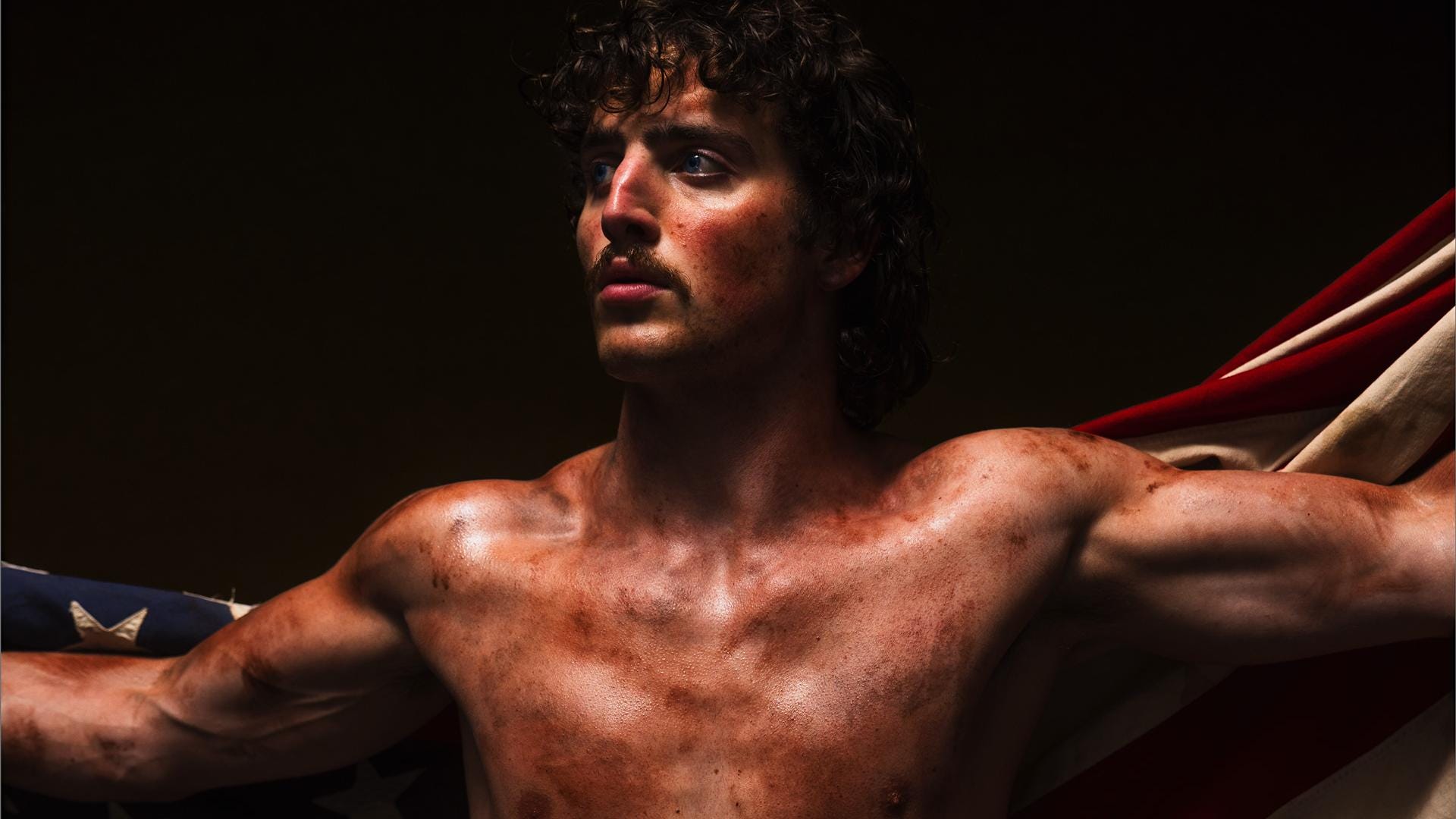
At the end of the day, perhaps one of your mutuals truly understood the intricate semiotics and tonal architecture of Benson Boone's sophomore record at a level of interpretive sophistication that most of us cannot—Nina I’m talking to you and your Spotify Wrapped directly.
Out: Lack of Aluminum
Instead of reheating the same stinky points about boy smells, I’m going to pull this point’s set-up directly from my July 2025 post about ethical partying & rave étiquette, which you can read in full below.
Speaking of boy smells, please be aware of your body odour. I get it, okay. Clubs are supposed to be sweaty—I’m the biggest advocate for whatever combination the cloud permeating rave roofs consist of, because air-conditioned parties are no fun when you’re trying to lose yourself in the music. However, sometimes things in the club can get more steamy than expected, and one feels the need to remove their shirt—perfectly fine. It starts becoming an issue when the general unwashed begin burdening surrounding strangers with unconsensual wipes of sweat. Especially when most girls aren’t subscribing to the aluminium-free lifestyles many Y chromosones boast.
Don’t get it twisted. My gripes are not with the concept of body odour, but with the sinister and sadistic fumes that materialise from heterosexual men who think spraying Axe on their shins equates to showering, and who change their bedsheets only when Saturn returns.
This inspiration for this out began exactly the same as all bad stories do, entering the third location. An obvious red flag. Capetonians go home challenge! In my defense, I only get to see the friend I was with twice a year due to the transatlantic ocean between us on the regular, so I felt I had to show them the rotation of nightlife venues in one shot. Cut to us opening the second round of Modular’s double-doors before being assaulted by an odour so sickly it would send a New York rat home in a body bag. My friend let out a Kim-Petras-interlude-level gag, held back a trip clambering to the bathroom stall before we made a bee-line for somewhat fresher air. Sometime’s the grass isn’t greener, but at least it’s not the swamp-ass shit our nostrils were burdened with.
While recounting the previous night's events during our morning debrief over a shared rollie and oat milk cappuccino, loud enough that our gay neighbours could hear the tone of my fagcent from inside the shower, my friend delivered one of the funniest lines I’ve heard in a hot minute;
Modular smelled so bad. What were they doing? Douching straight men and making a moat around the place?! – Chris on hetero BO
Out: “Raves”
Much like Emerald Fennell’s use of quotation marks around the title card for her 2026 adaption of Emily Brontë’s Wuthering Heights to circumvent problematic notions of misrepresentation—there is a global illness that has localised into a looming threat on home ground. It has become increasingly frustrating when Cape-Town-based collectives ran by every Jan, Jaco, en Johannes think it’s okay for their copywriter friend (named Chat GPT) to label every event with a rusty JBL and LED light a rave.
Let me be crystal-clear.
Not everything is a rave.
Unmixed Magazine has talked extensively about the topic on a global scale, exploring how the culture has recontextualised a huge part of party history to fit into brand-safe boxes.
In the direct wake of the post-COVID landscape, everyone had an almost carnal craving to return to the dance floor. The culture reflected that—with heaps of mainstream albums interpolating the sounds of disco and electronica. But after the pandemic, raves were repackaged into wholesome, brand-safe formats like “soft-clubbing”, “coffee raves”, and other sponsor-friendly invitations. The word stayed but the meaning could not have been more misconstrued.
When a word gets profitable, it gets vague. Dilution is the cleanest form form of erasure, and the easiest form of control. – Fofi Tsesmeli
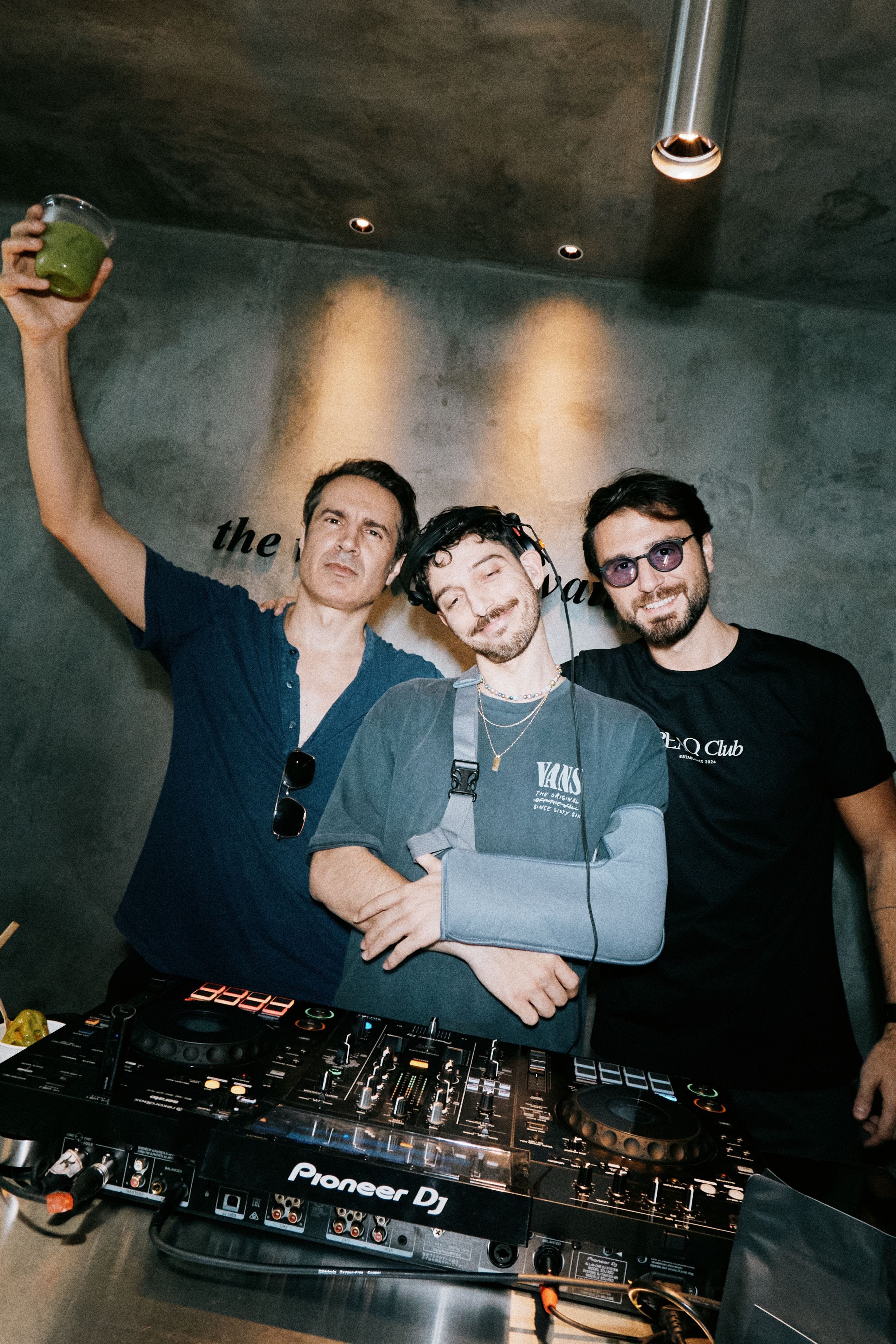
When corporate organisations rob, polish, and appropriate the word to the point of parody, the real underground loses visibility, language, and credibility. Marketing does not equate to culture. The word carries political weight.
When you’re entering a so-called rave, stop and think. Which groups are being protected? Which groups are in overwhelming attendance? And who is being excluded? Is there a clear political message at the party you’re attending? If not, it’s probably not a rave. A congregation that was meant to be organised around profit, true rave economies look more like mutual aid than exclusive VIP tables. Impermanence is the true essence of the rave, with a tangible possibility that the night could end at any moment. The risk is the entire point.
Out: Leaving it Alone
This year’s to do list includes barking up the wrong tree, addressing the elephant in the room, judging a book by it’s cover, beating a dead horse, rocking the boat, poking the bear, stirring the pot, and adding fuel to the fire.
Nothing brings me more joy than never leaving something alone. I will be 80, rotted with dementia and still talking about the season 3 B.C. characters that did me dirty in high school. I’m not part of the community of people who are above gossiping because of some deluded moral highness. We all love to talk about the happenings of the people in our lives, rehashing the same stale topics with the same friends a million times over, hitting the exact same beats with identical inflection, and twin delivery.
Out: Having Boundaries
Loneliness is the price you pay for a life of convenience. Everybody and their mother wants a village, no one wants to be a villager. We all have to make personal sacrifices and put others people’s needs above our own in service of cultivating true community.

Choosing to protect your peace over showing up for your loved ones has become an overused excuse masquerading as self-care. An all-too normalised and celebrated badge of honour. Fleeting discomfort is the modest toll we pay for lasting connections. If we bailed every time a friend reached out during a moment of mild inconvenience, we’d be alone.
To clarify, I’m not advocating that you sacrifice legitimate boundaries because your homies want to split a bottle day-drinking on a Tuesday. But weaponizing “boundaries” as a get-out-of-jail-free card to dodge any and all social obligations just makes you selfish.
Out: Germanic matter-of-factness
Germanic matter-of-factness, also known as General German Autism (GGA), refers to the cultural commitment to being direct, objective, and refreshingly devoid of social niceities that fellow Germans possess. Rooted in the German concept of Sachlichkeit (objectivity and factualness), which manifests in communication styles that prioritize cold, hard facts, ruthless efficiency, and unflinching realism over any semblance of sentiment. Outsiders often read this as bluntness bordering on emotional negligence, but to Germans, it’s simply correct. Germans generally dislike fake niceness seen in groups like the Americans. Honesty over fluff is their best policy. The literal bedrock of German business dealings and social interactions are almost impossible to differentiate. Why waste time on niceties when you could simply tell someone their idea is bad?
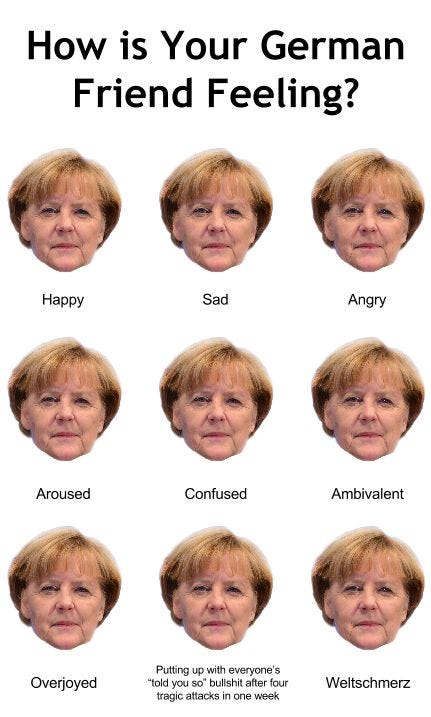
The phenomenon has fascinated me for a bit, but it wasn’t until the recent stampede of German tourists claiming Cape Town as theirs for the summer, that I began to grasp the severity of the situation. Flirting, fighting, inquiring, introducing themselves, trauma-dumping, and speaking to service workers are all delivered with the same, direct tone of voice.
Meanwhile, South Africans are overdramatising every aspect of their storytelling, physically sprinting out of rooms whenever they laugh, and deploying curse words as adjectives before every second word in the most civil conversations. Thus, the expressive chasm between these two nations currently battling for legroom in the CBD could not be more staggering.
you must live in my brain because how did you put it all into words
Loved reading this, your writing style is so lovely.